
About The course
How Mastery Is Built
A craft-first learning space where technique becomes instinct through clear steps, steady practice, and thoughtful feedback.
01.
Foundation Before Flourish
We cover the basics: leather selection, surface preparation, moisture level, and pressure application. Fundamentals matter to this approach so when you move to design work you can focus on refinement with results.
02.
Practice With Purpose
Every technique is dissected into manageable drills that develop your timing, dexterity, and trust without information overload. Repeated short cycles of focused practice build muscle memory while reflection questions.
03.
Feedback That Sharpens
Improvement happens in the details: line definition, seaming, contrast, and durability. Your instructor and peers will provide feedback that underscores how to adjust and apply your effort for noticeable improvement.
Why This Platform Exists
LeatherPressArtToday exists because of a core assumption that mastery develops best when technique is offered as a series of choices rather than a gift of innate ability. The Team is committed to process clarity, pacing, and quality of craft, walking students through first impressions to advanced relief techniques. The approach balances modeling, guided exercises, and informed feedback to foster consistent improvement and sustained motivation rooted in tangible outcomes.
Community Reflections
Real voices from learners who found a steadier rhythm, clearer technique,
and stronger confidence through guided practice.
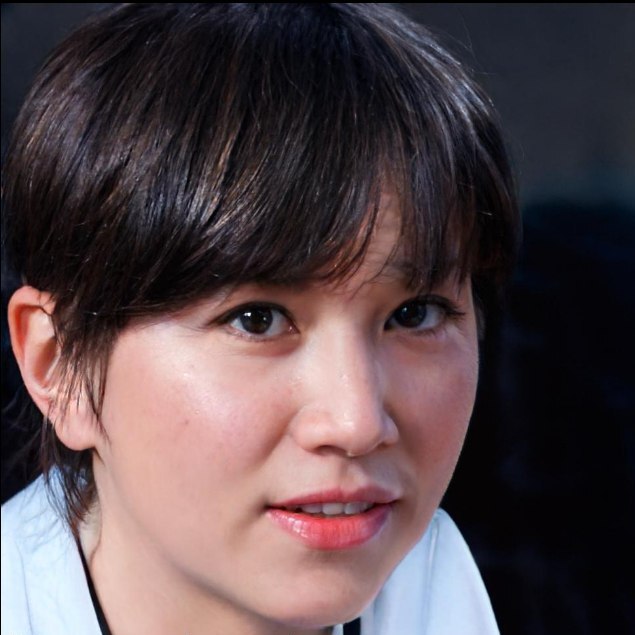
“The structured learning path was a game-changer for me: every practice session had a defined objective and an easy way to evaluate success. The sense of direction removed so much anxiety from the process, and for the first time I felt like I was actually learning skill.”
Asahina Yui
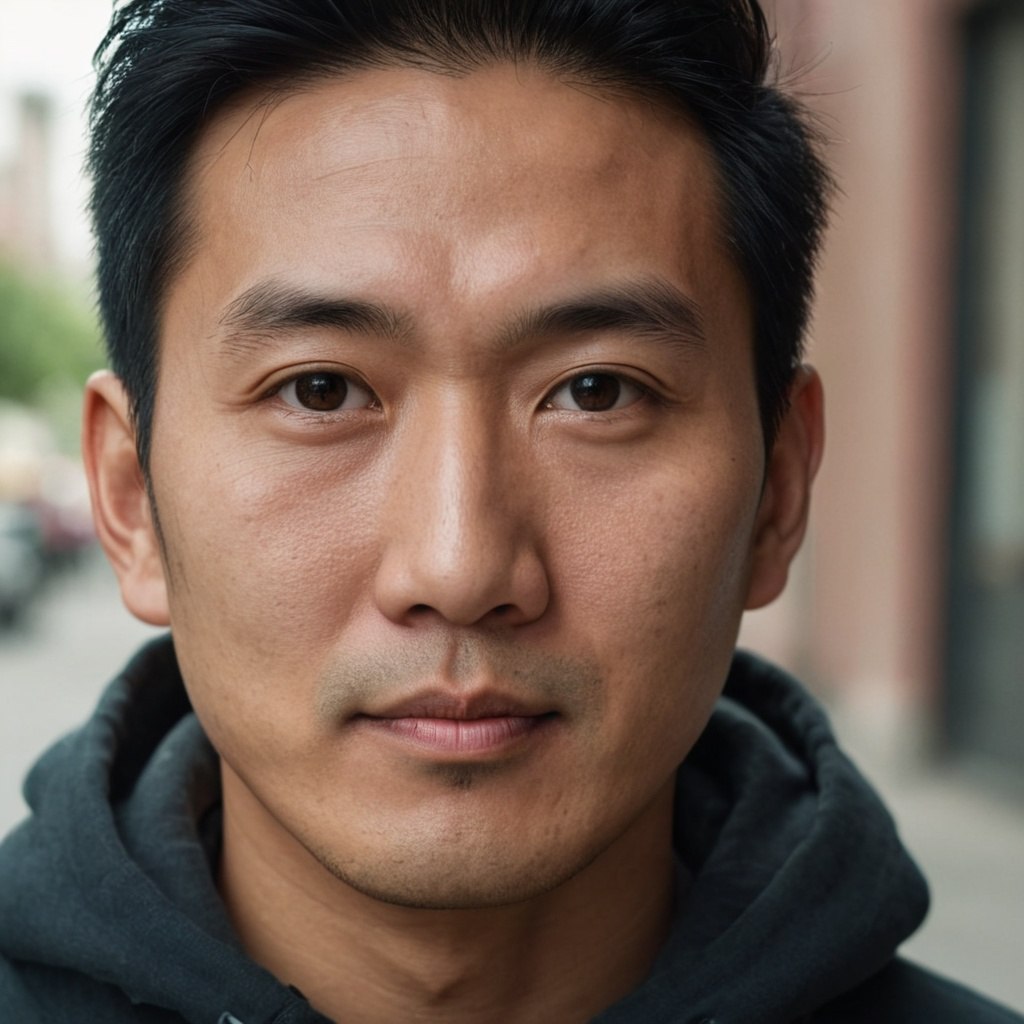
“The attention to the basics empowered me to attempt more intricate tooling and crisper lines without the fear of work-ruining mistakes. I found that the technique offered a solution for correcting errors rather than merely masking them.”
Kasumigaseki Yōsuke
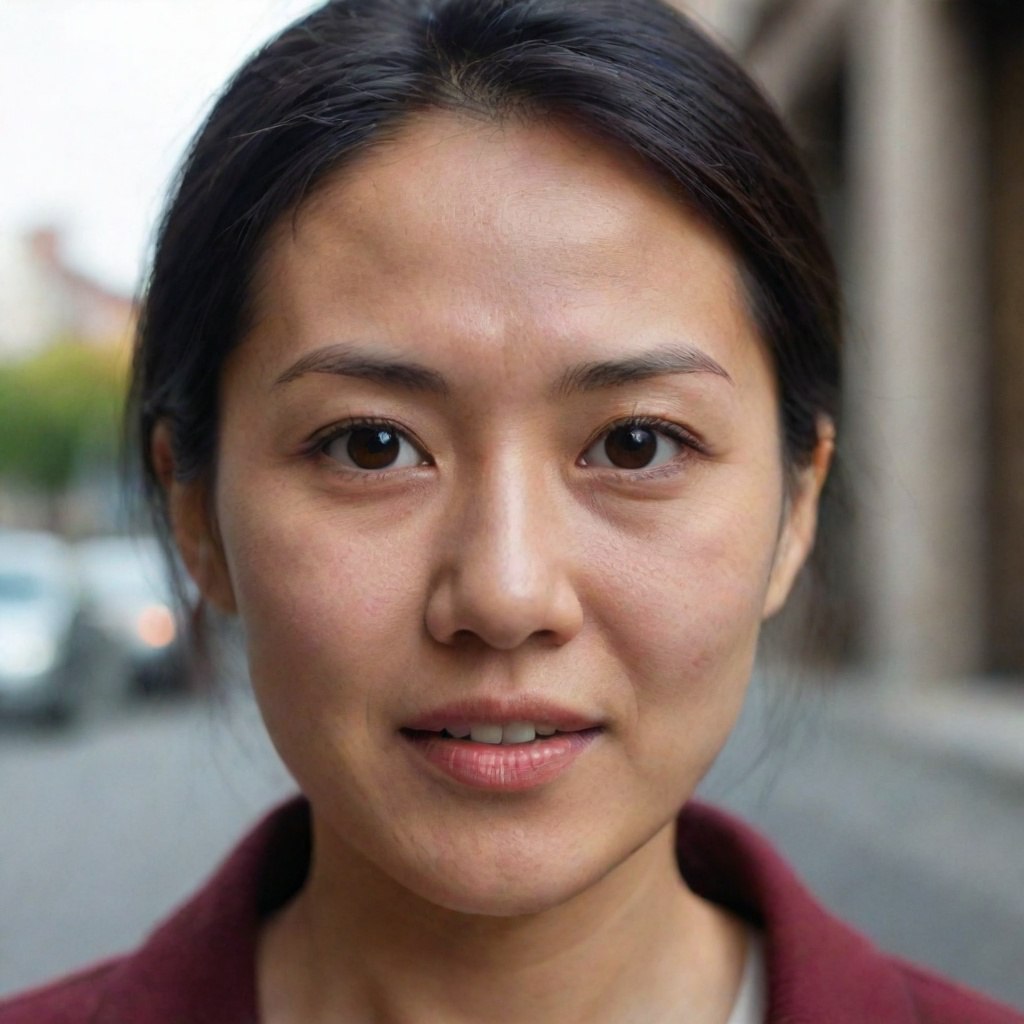
“The critical thinking questions forced me to evaluate my own work, to develop an eye for distance and proportion and depth. I began considering balance, contrast, and texture with a new critical awareness, and my pieces look more defined and polished as a result.”